OCCAR

Joachim SUCKER
Director of OCCAR
The role of the Organisation for Joint Armament Cooperation in the European and international defence landscape
As EU and NATO countries face an increasingly complex security landscape, the Organisation for Joint Armament Cooperation (OCCAR) provides a pragmatic framework for managing advanced multinational armament programmes. Founded in the late 1990s as a Franco-German initiative to address fragmented national approaches and constrained budgets, OCCAR has evolved into a well-established European defence actor with an annual operating budget of approximately € 8 billion.
Over the years, OCCAR has expanded from its founding Member States France and Germany to include Italy, UK, Belgium and Spain, with the Netherlands expected to become the seventh Member State in 2026. Since 2022 the number of countries participating in OCCAR programmes has doubled from five to fourteen, with a further increase expected in 2026. Participation from non-European countries such as Australia, a Participating State, and Japan, India and Brazil as Observers reflects OCCAR’s appeal as an efficient internationally recognised framework for capability development.
OCCAR has developed an extensive expertise in managing complex, cooperative programmes throughout their full life cycle. Its programme management approach, spanning design and development, production and procurement as well as In-Service Support and disposal, provides Member and Participating States with a predictable, structured model for collaborative capability development. The Organisation’s principle of Global Balance ensures that industrial participation is considered across programmes and over longer time periods, fostering a competence-based approach rather than a transactional (“juste retour”) mindset.
With a portfolio covering air, land, sea, cyber, and space domains, OCCAR overseas a wide spectrum of complex, cooperative defence programmes. These have included the A400M tactical and strategic airlifter and the FREMM multi-mission frigates, to the Boxer 8×8 modular vehicle family and the FSAF‑PAAMS air and missile defence system.
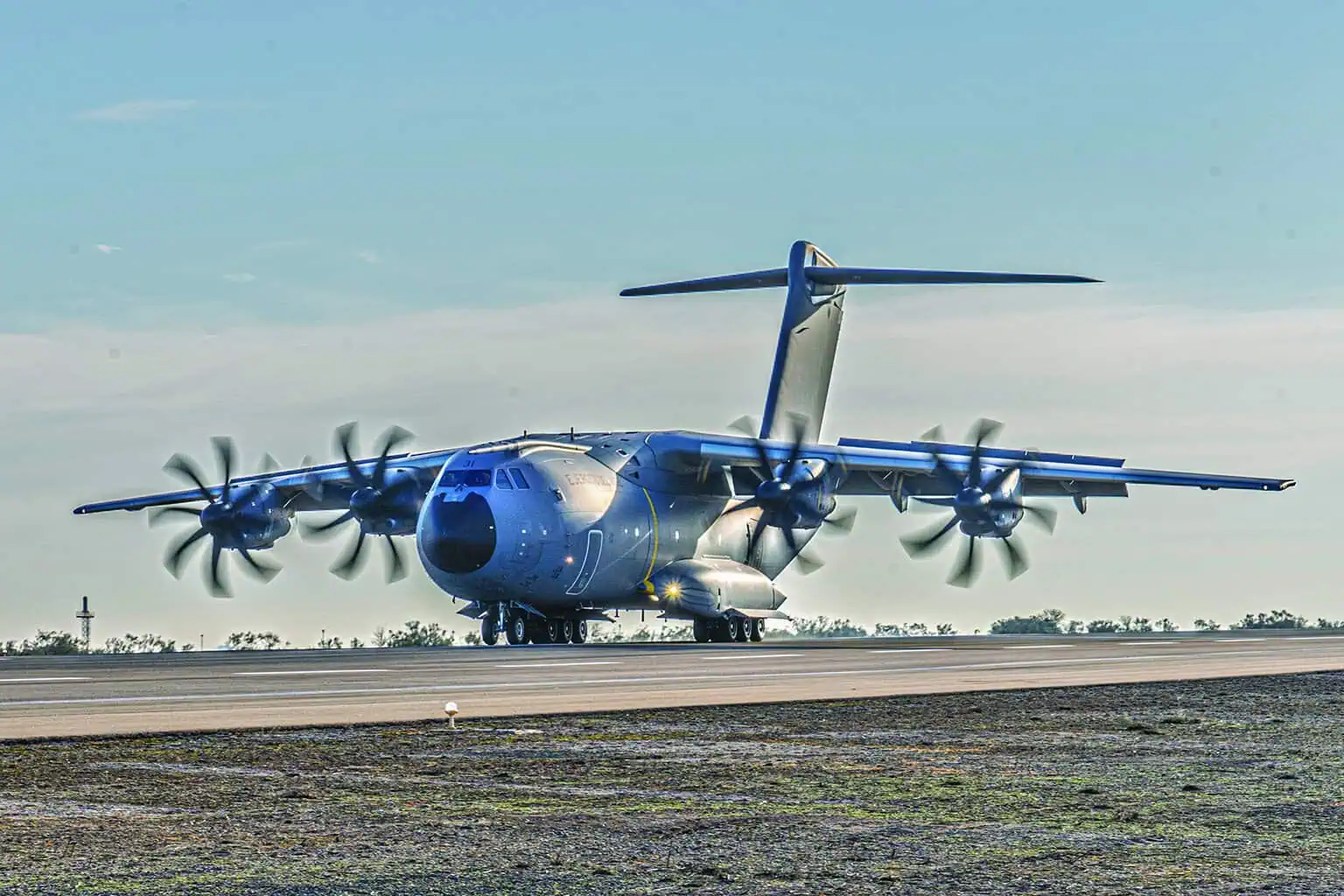
Airbus A400M de l’armée de l’air espagnole dans sa zone d’atterrissage. / Spanish Air Force Airbus A400M in its landing zone. Photo © ES Airforce
Together, these programmes demonstrate OCCAR’s ability to manage long‑term, technically complex projects involving multiple nations and industries. This has contributed to OCCAR’s gradual expansion from six programmes in 2001 to 26 programmes today, including those with EU co-funding. The overall portfolio is expected to reach 34 programmes by the end of 2026.
Russia’s invasion of Ukraine in 2022 prompted European states to reassess their defence spending priorities, emphasis interoperability and significantly increase investment. This shift has raised expectations for multinational procurement organisations including OCCAR.
Since 2025, rising national defence budgets – driven by more ambitious NATO commitments and by new EU defence investment initiatives – have increased the interest in joining or expanding participation in OCCAR‑managed programmes, such as the Boxer programme (with various national variants), FSAF-PAAMS, Night Vision Goggles (NVC), FREMM, Lightweight Torpedo (LWT) and the recently integrated Wide Wet Gap Crossing (WWGC) amphibious bridging system.
Looking ahead, Europe’s renewed defence momentum – coupled with the growth of capabilities such as unmanned systems, long‑range strike, and space‑based assets – is expected to drive further expansion of OCCAR’s programme portfolio. To maintain effective coordination among nations and industry in an increasingly complex political and industrial landscape, OCCAR will need to address key organisational challenges – including the strengthening of internal processes and the recruitment of high‑quality staff – while preserving a lean, efficient but suitably scaled administration.
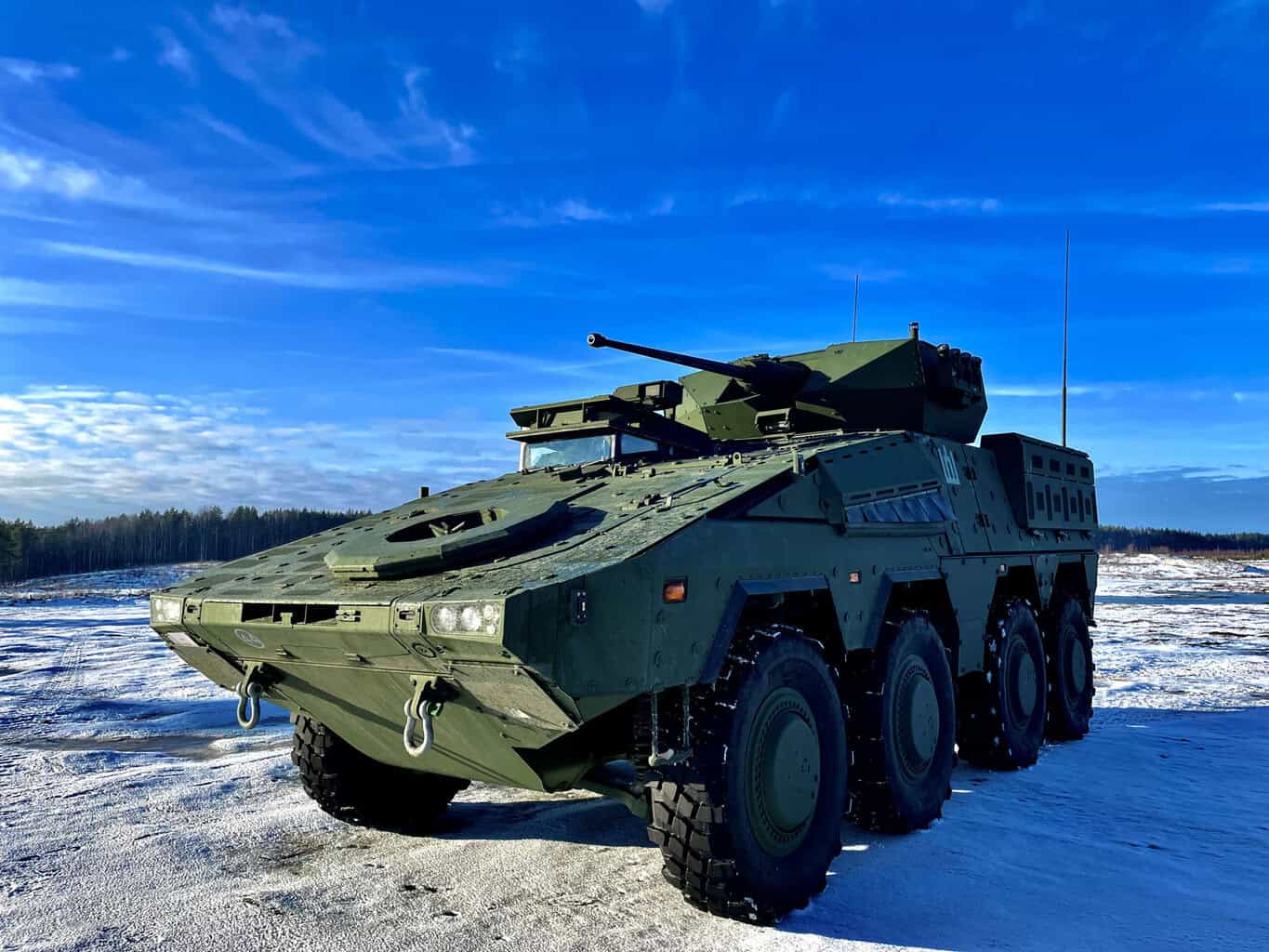
Essai Boxer LT Delta, janvier 2024. / Boxer LT Delta Test, January 2024. Photo © OCCAR 2024/Alexandra Alonzi
Conclusion
At a time of rising global defence investment and deteriorating security conditions, OCCAR offers a proven, practical model for managing complex collaborative armament programmes that deliver on-time and within-budget.
With more than 25 years of accumulated experience and an independent governance structure driven by its Member-States, OCCAR enables nations and industry partners to build long-term networks of trust and cooperation founded on efficiency and transparency.
As its programmes grow in number and scale, and as new Participating States continue to join, OCCAR is rapidly emerging as one of the key actors shaping Europe´s future cooperative capability development.
Other posts in News :