The future of EU defence: Why EDA is at the forefront
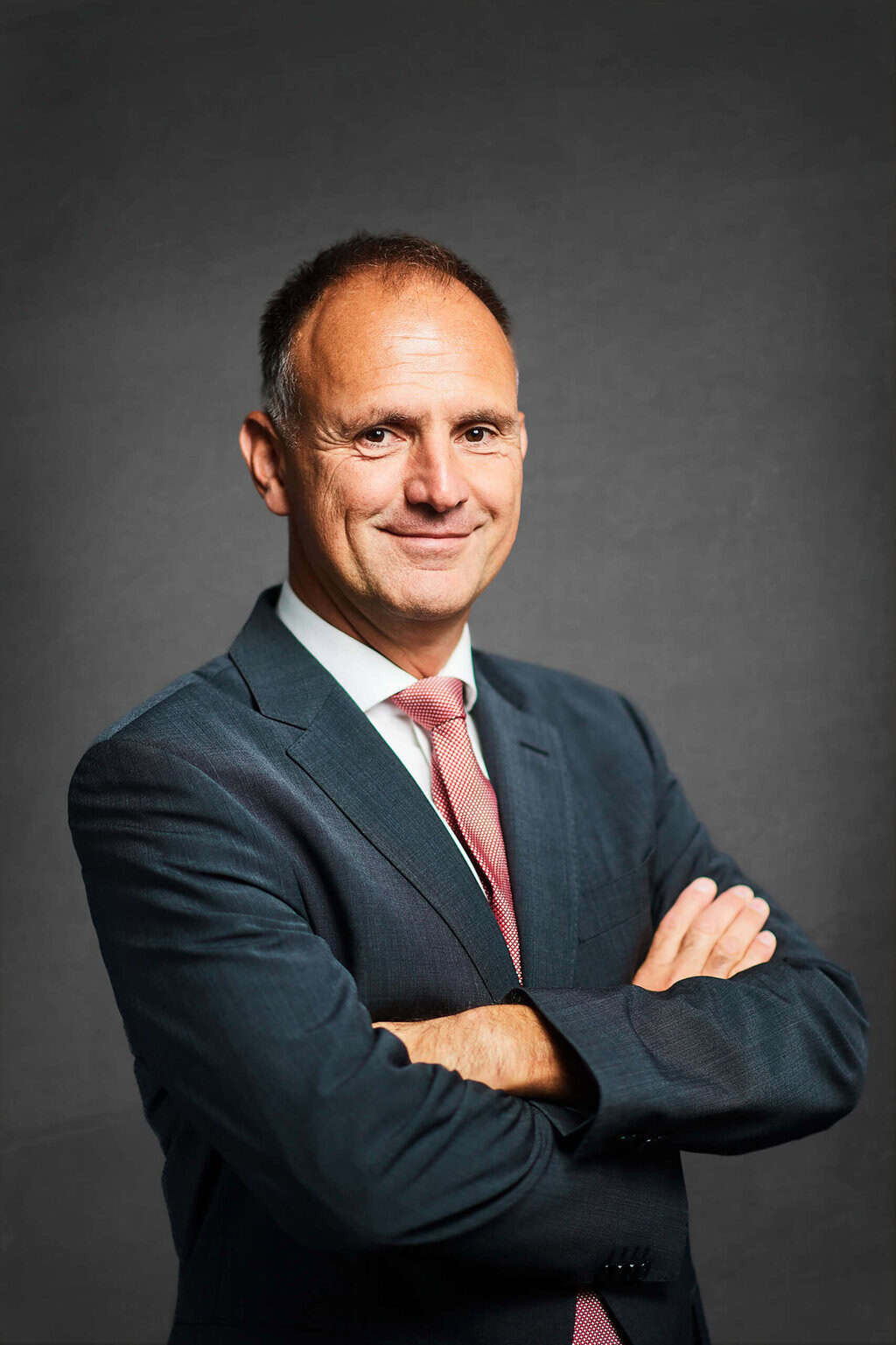
André DENK
Chief Executive of the European Defence Agency (EDA)
If there is one acronym that deserves more attention in European Union defence forums, it is EDA, for European Defence Agency. For over two decades, EDA has been quietly orchestrating EU defence projects: organising joint training exercises, harmonising capability planning at a European level, facilitating procurement procedures and encouraging Member States to develop more interoperable defence equipment.
Founded in 2004, the agency has a robust mandate, enshrined in the 2007 Treaty on European Union. This mandate remains our guiding principle today: to provide pragmatic and effective support to the 27 European defence ministries through an intergovernmental structure.
The agency belongs to the Member States. They finance its work, and the Defence ministers meet twice a year within the steering board to provide strategic guidance. The steering board also meets at the level of national armaments directors, capability development directors and research and innovation directors. Together, they define the trajectory of an organisation that is truly member-driven.
At the heart of EDA’s mission is the provision of a reliable platform for cooperation. We support EU Member States, many of whom are also NATO allies, in achieving their shared capability goals while addressing their national priorities. Our closest partners, including Norway, Switzerland and Ukraine, also cooperate under specific administrative arrangements that extend the European defence community.
Five key missions, five new areas
To mark the Agency’s 20th anniversary in 2024, Member States confirmed the five core missions that guide our work.
Firstly, we help define European-level priorities by identifying the capabilities Europe needs and determining where to focus efforts.
Secondly, we bring nations together to cooperate in the rapidly evolving fields of research, technology and innovation.
Thirdly, we support capability development, ensuring that concepts are translated into effective military capabilities.
Fourthly, we identify needs and consolidate requests in order to pave the way for joint acquisitions.
Finally, we represent the interests of defence ministries in European policymaking, ensuring that military requirements are fully considered, whether in the digital transformation of European airspace or in civilian areas that have crucial implications for defence.
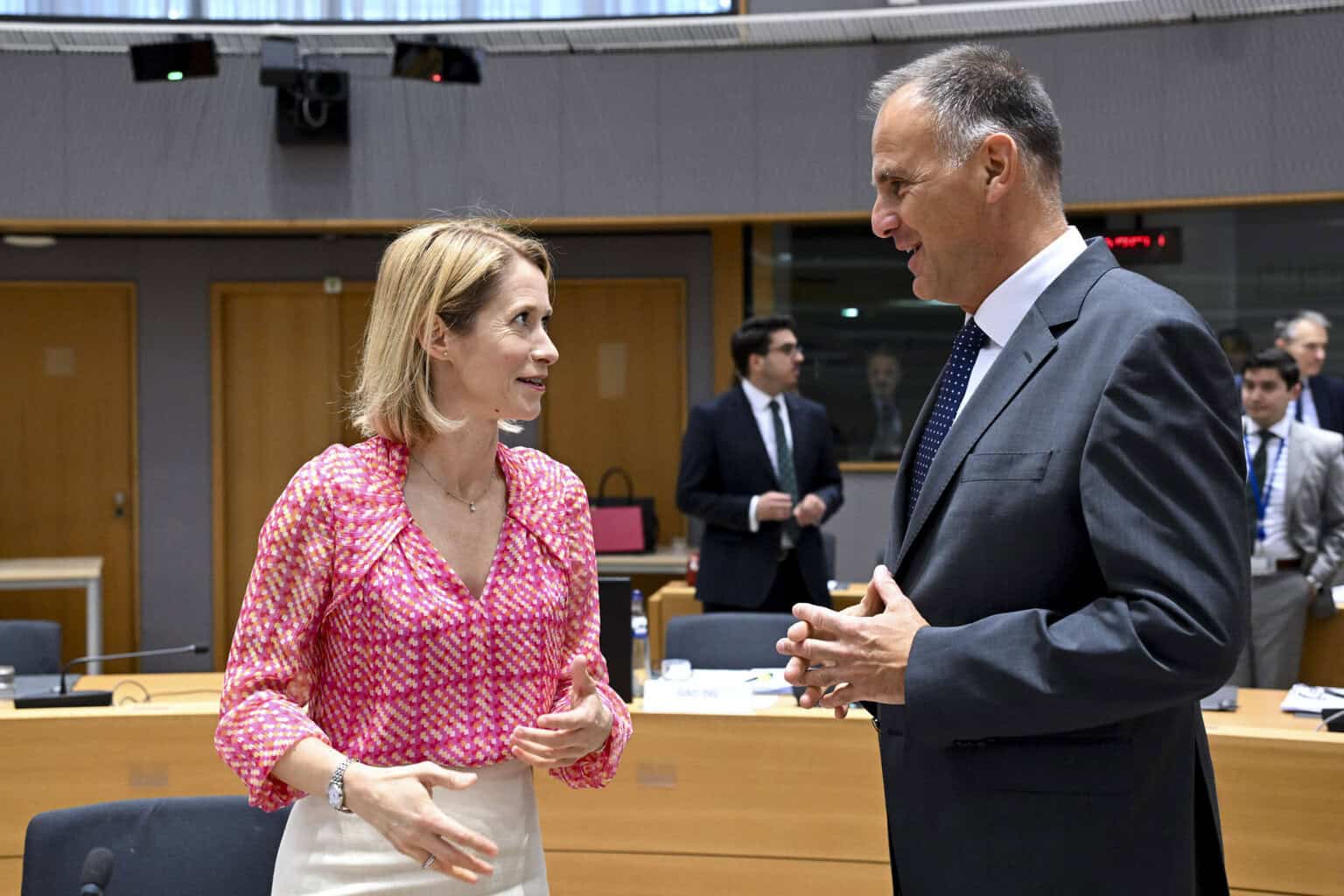
Le général Denk avec Kaja Kallas, haute représentante de l’UE pour les affaires étrangères et la politique de sécurité, lors de la réunion du comité directeur de l’AED réunissant les ministres de la Défense, à Bruxelles, le 20 mai 2025. / General Denk with Kaja Kallas, High Representative of the EU for Foreign Affairs and Security Policy at the EDA Steering Board in Ministers of Defence format, in Brussels, on 20 May 2025. Photo © EU / UE
Cooperation is not just a slogan for us, it is concrete, operational work. Take the nine priority capability areas defined by the European Council and detailed in the White Paper on European defence, “Readiness 2030”. Each of these areas, from integrated air and missile defence to artillery systems, is led by framework nations. Our role is to support them in terms of organisation and expertise, liaising with our existing programmes and activities.
Another example is our Government-to-Government cooperation platform, which was launched last June. This platform offers all Member States a comprehensive overview of hundreds of defence contracts already negotiated by other countries. This number is growing every week, and the platform has already become a valuable resource for identifying joint procurement opportunities. It is expected to be extended to development and innovation projects in the near future.
Innovation is equally central to our mission. The European Defence Innovation Hub (EDIH) provides a focus for innovative ideas and support activities, including hackathons, awards ceremonies and major events such as the Defence Innovation Days, which brought together more than 1,000 participants in Krakow in 2025.
Through European operational experimentation campaigns, such as the aerial and ground drone logistics and reconnaissance campaign organised near Rome, we are helping to transform promising concepts into deployable capabilities. Our participation in the €100 million BraveTech EU initiative, half of which is funded by the EU and the other half by Ukraine, is another example of this. The programme aims to match Ukrainian operational needs with technological ingenuity in order to accelerate the transition of solutions from concept to testing and beyond.
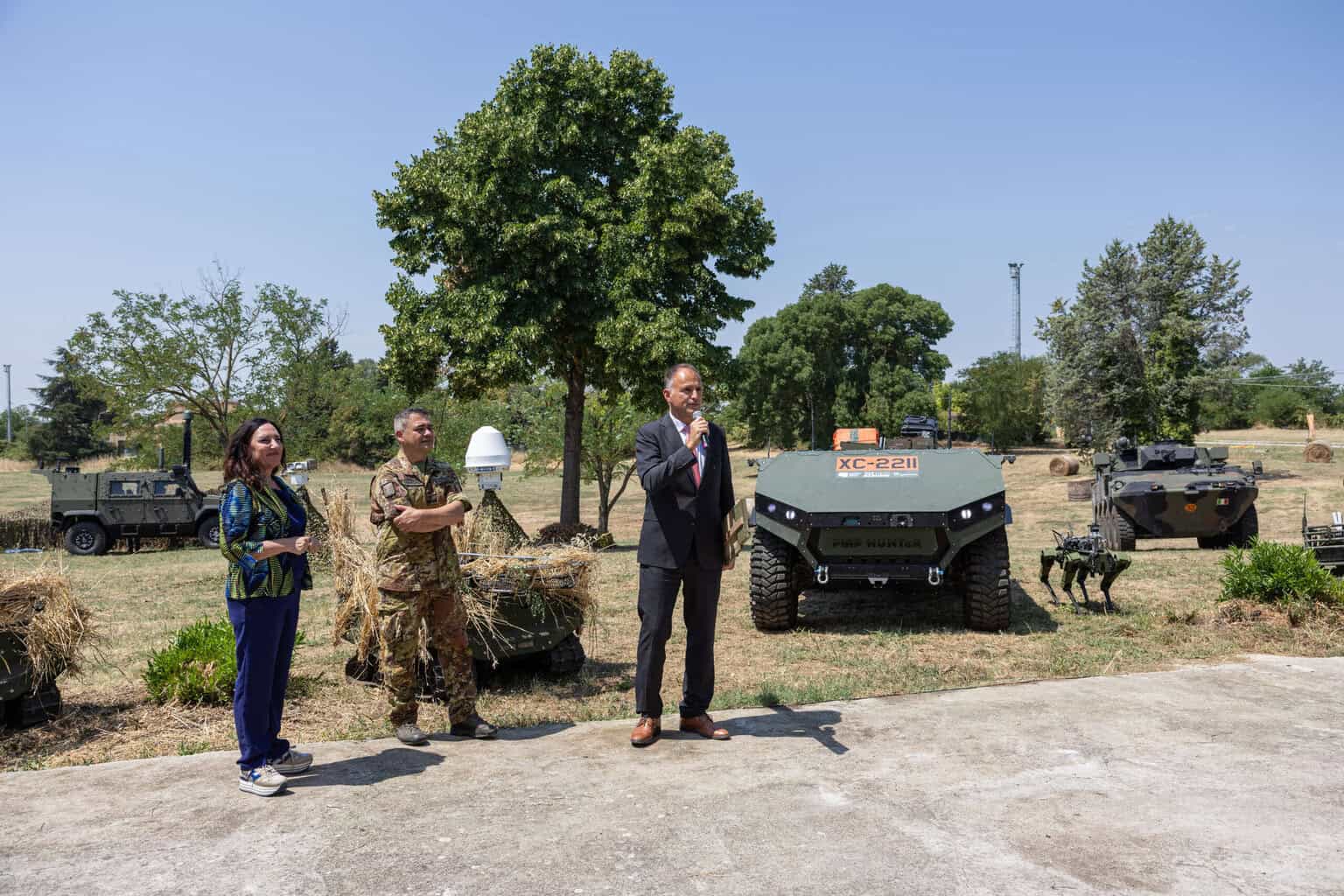
Le général Denk lors de la campagne d’expérimentation opérationnelle de l’AED près de Rome en juillet 2025. / TGen. Denk at EDA’s Operational Experimentation campaign near Rome in July 2025. Photo © AED / EDA
Capability development also benefits from in-depth cooperation. A recent example is the joint effort on loitering munitions, which 18 countries have signed a letter of intent to collaborate on. Since then, we have helped to define specifications, gather national requirements, consult with European industry and prepare a robust case for joint acquisition – further proof of what can be achieved when nations align their efforts.
Looking ahead, European leaders have called for a stronger Agency. In response, we have put forward proposals focusing on five areas:
- strengthening our role in research and innovation;
- expanding our support for capability development;
- intensifying joint acquisitions;
- redefining our internal structures and resources;
- deepening cooperation with our partners, including through the establishment of new cooperation agreements such as with Canada.
Our goal is clear: to help our Member States work together more effectively and strengthen the collective security of the European Union. After more than 21 years, the founding spirit of the agency remains as relevant and vibrant as ever.
Other posts in News :