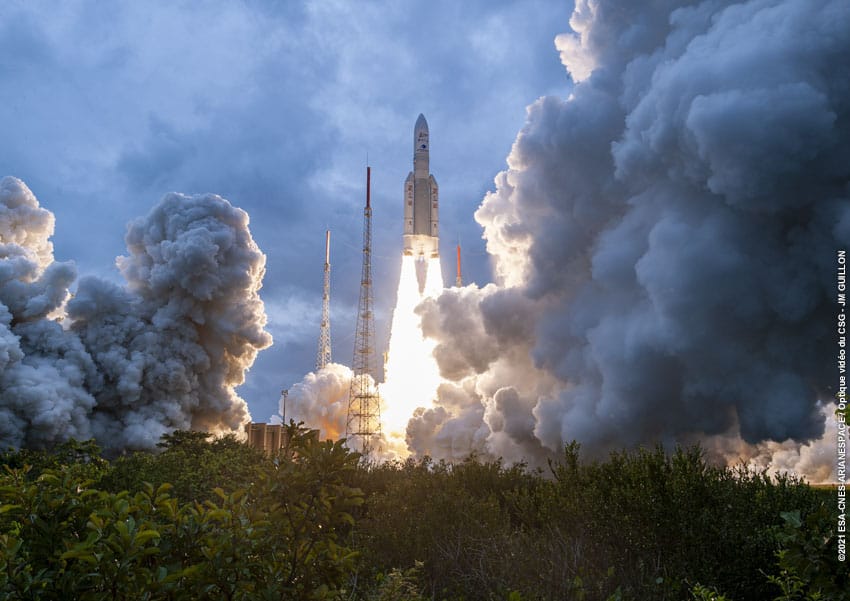
• The Guiana Space Centre opens wide the Door to Outer Space

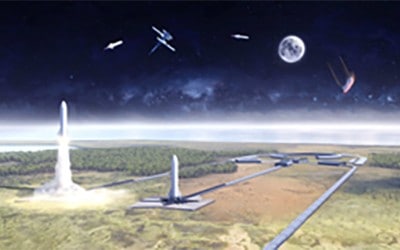
    By Marie-Anne Clair, former director of the Guiana Space Centre, CNES, AAE correspondent The powerful blast that is disrupting the space transportation ecosystem has not spared the Guiana Space Center. The current model, in which Arianespace is the sole user of the space base, has fizzled out and the CSG, like an airport hosting several […]
  • Decarbonizing Air Transport and Reaching Autonomous Human Spaceflight : Two Topical Challenges for Europe

    A meeting organized by the Air and Space Academy  and the Center of Aerospace Research of Sapienza, University of Rome About the decarbonisation of aviation, the conference will focus on its four main pillars: continuous performance improvement, sustainable alternative fuels, carbon capture, and ”sobriety”. The crucial development of alternative fuels raises the question of the […]

  • Stratospheric balloons and their applications

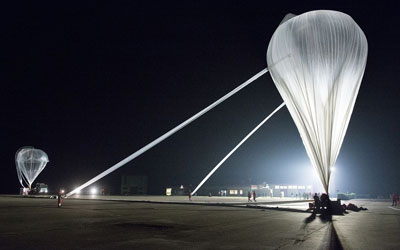
    By Vincent Dubourg, Deputy Director of Balloons at CNES, Orbital Systems and Applications Division For 60 years, CNES (Centre National d'Etudes Spatiales) has been designing, developing and operating balloons to carry out scientific measurements and technological tests in the upper atmosphere. More than 4,000 flights have been operated by CNES balloon operators in all latitudes. […]

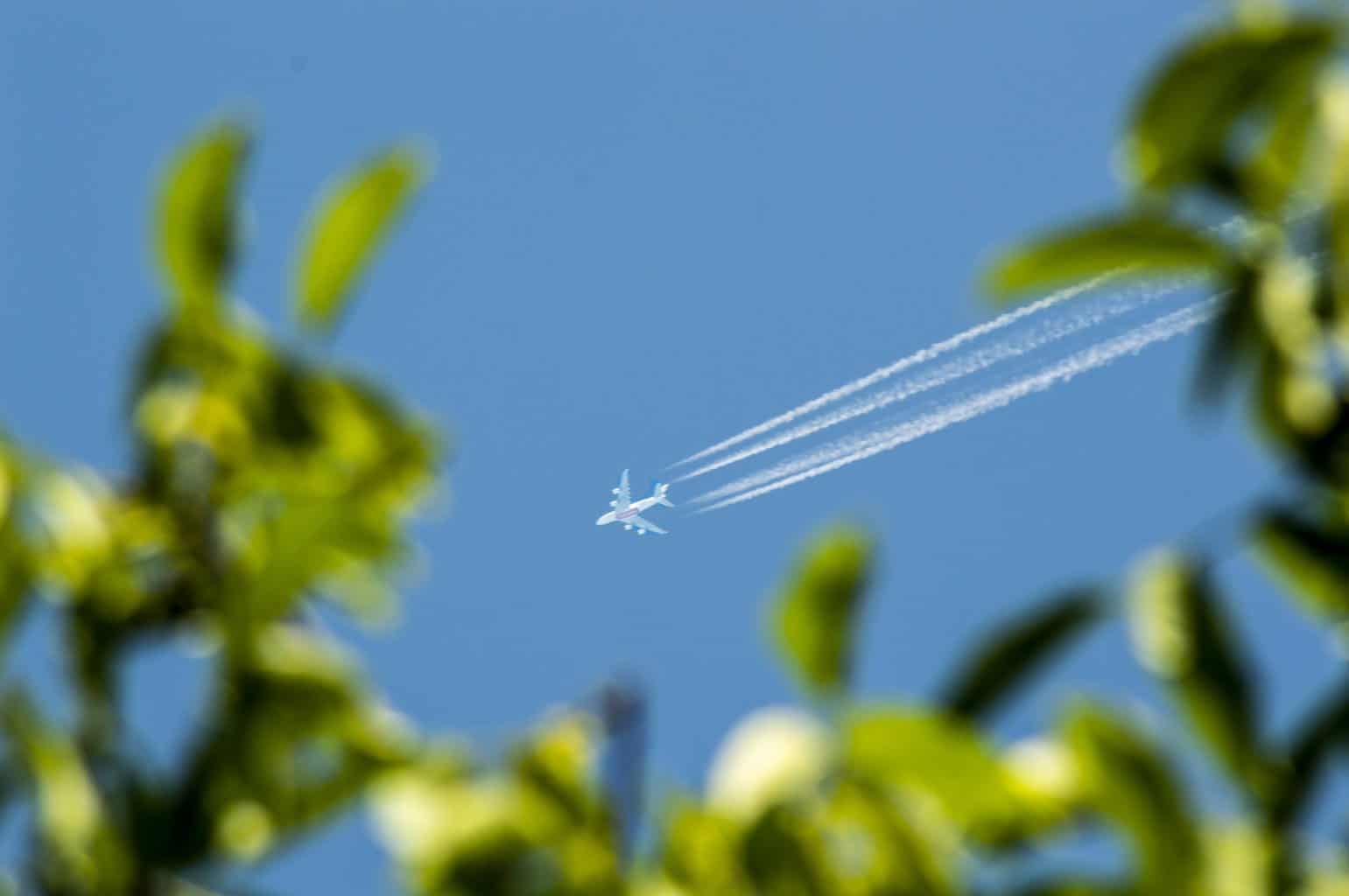
  • White Trails from Aircraft: Origin and Climate Impact, Composition and Interaction with the Atmosphere

    White streaks are sometimes observed in the wake of aircraft. In some cases, these can turn into cirrus clouds which, depending on their persistence in the atmosphere, can alter the planet's radiation balance and possibly contribute to global warming. While certain local humidity and temperature conditions are required for the formation of these trails, the […]

  • The James Webb Space Observatory: challenges for the adaptation of Ariane 5 and first scientific breakthroughs

    The James Webb Space Telescope is the largest and most powerful telescope ever launched into space. It follows in the footsteps of the Hubble Space Telescope by forming the next great space science observatory, designed to answer the most essential questions about the universe and make groundbreaking discoveries in all fields of astronomy. It was […]

  • Next-generation aviation: decarbonised and hybrid aircraft

    Par Jean-Christophe Lambert, Cofounder & CEO, Ascendance  L’objectif de la neutralité́ carbone des avions, fixé à l’horizon 2050, ne pourra être atteint sans une collaboration étroite entre compagnies aériennes, fournisseurs d’énergies, industriels, organismes publics de R&D et startups. Là où les compagnies aériennes, bridées par leur legacy, travaillent sur des projets à moyen et long […]

  • SWOT, monitoring water resources, oceans and climate

    As part of the 2024 "Rendez-vous Espace" conference cycle organised by the Friends of the Cité de l'espace in partnership with the Cité de l'espace, the Académie de l'air et de l'espace and the 3AF. Lecture presented by Delphine Leroux, head of the Hydrology, Cryosphere and Water Cycle programs at CNES and Rosemary Morrow, oceanographer […]

  • SAF (Sustainable Aviation Fuels): potential and limitations of a key solution for the decarbonisation of aviation

    By Nicolas Jeuland, Emeritus Expert on the Environmental Impact of Aviation and Future Fuels, Safran, AAE correspondent (lecture in french) The aviation industry is committed to carbon neutrality by 2050. To achieve this, the aviation industry is working on 3 main levers: the constant improvement of the fleet's energy efficiency, in particular through the development […]

  • Flight tests: the reception crew

    The job of test pilot is a "small job". There must be fewer than a hundred active test pilots in France. Some work for the state, within DGA EV, others for manufacturers: Airbus, Dassault, Daher. Of course, it is a question of trying prototypes that have never flown, but also derived, modified or new configurations. […]

  • In the Solar Furnace: Latest Results from Solar Orbiter and Parker Solar Probe

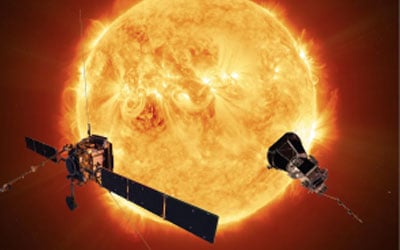
    By Alexis Rouillard, CNRS researcher, IRAP Why is the Sun's atmosphere two hundred times hotter than its surface? How are solar winds and thunderstorms created? To answer these major questions in astrophysics, the Parker Solar Probe and Solar Orbiter space probes set out in 2018 and 2020 to discover the environment close to the Sun: […]

  • Space medicine and MEDES

    As part of the "Rendez-vous Espace" 2024 lecture series organized by the Association des Amis de la Cité de l'espace in partnership with the Cité de l'espace and the Académie de l'air et de l'espace. Space for health To mark the start of the new academic year, the Friends of the Cité de l'espace are […]

  • Air and Space Days

    During the Air and Space Days, the Swiss Museum of Transport , in collaboration with associations, collectors and partners, presents projects and objects from the world of aeronautics and aerospace. Theme days offer a multitude of opportunities to take an interest in aeronautics and aerospace. Whether it's information about the profession of pilot, guided tours […]