2015-2025: The rise of civilian drones

Raymond ROSSO
Co-presidents of the AAE/3AF working group. Former interministerial coordinator for Galileo at the French Ministry for sustainable development, AAE member

Patrick DURIEUX
Co-presidents of the AAE/3AF working group. Former commercial director Drones and ground combat systems Safran, 3AF member
Dossier No.57 analyses the evolution of civilian drones between 2015 and 2025, highlighting their transformation from a niche technology into a major industrial, strategic, and security asset. Conducted by a joint working group from the AAE and 3AF (French Aeronautical and Astronautical Association), the study updates a preceding Dossier No.40 published in 2015, incorporating expert interviews and recent developments.
One of the most significant changes over the decade is the regulatory shift from national frameworks to a harmonised European system led by EASA. This framework introduces a risk-based classification of drone operations into three categories — Open, Specific, and Certified — applying to all drones regardless of weight. While this harmonisation improves safety and consistency, the transition has been complex for operators and manufacturers, especially due to certification costs and evolving compliance requirements.
At the same time, the concept of “U-Space” has emerged, aiming to integrate drones safely into airspace through digital traffic management systems. This development is key to enabling advanced operations such as beyond visual line of sight (BVLOS), which are essential for scaling commercial and public applications.
The drone market has experienced rapid growth, with the number of operators in France rising from around 1,200 in 2014 to over 145,000 in 2025. Consumer drones have become widespread, while professional uses have expanded across sectors such as infrastructure inspection, agriculture, audiovisual production, and logistics. However, the market is highly dominated by non-European manufacturers, particularly Chinese companies, raising concerns about technological dependence and sovereignty.
Drones now play a crucial role in public services and security missions. They are widely used by police, firefighters, and emergency services for surveillance, search and rescue, disaster response, and infrastructure monitoring. Their ability to provide real-time data, operate in hazardous environments, and reduce operational costs makes them indispensable tools for modern public management.
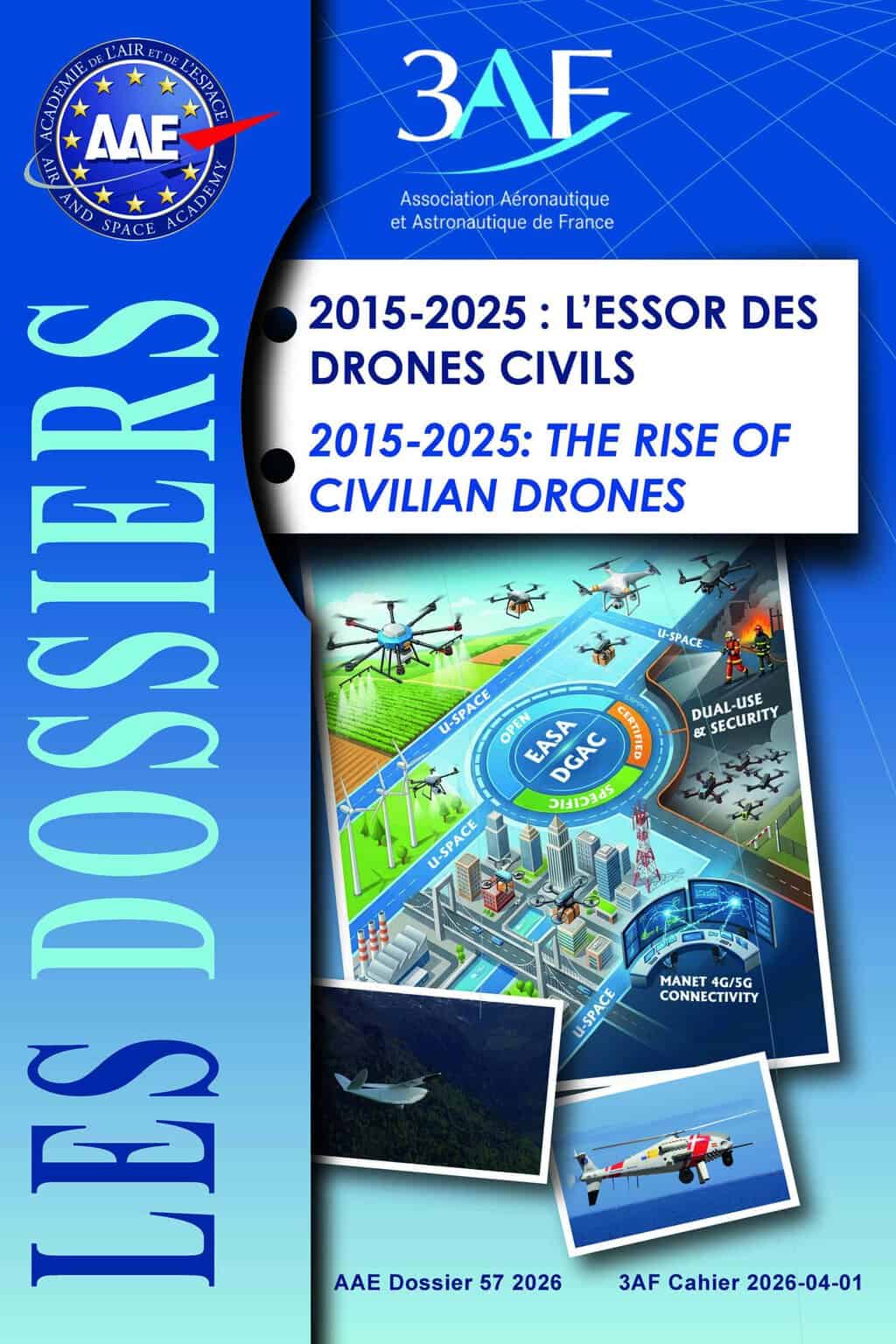
Image 1 : Dossier 57 de l’AAE/3AF. / Dosser 57 by AAE/3AF. © AAE
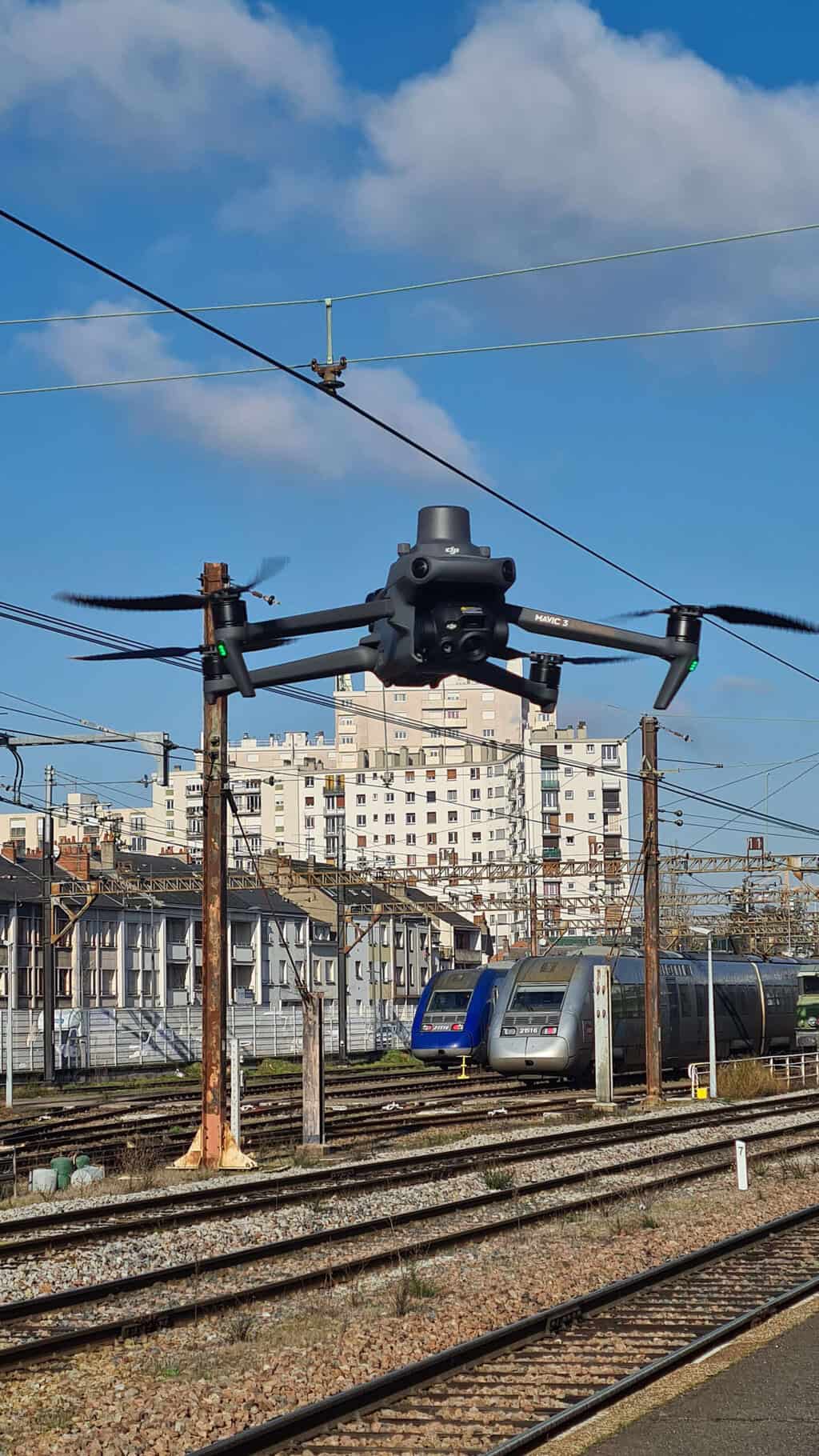
Image 2 : DJI Mavic 3 Enterprise equipped with an RTK module. This module enables extremely high-precision centimeter-level positioning, ideal for surveying, photogrammetry, or industrial inspection.
Technological progress has also been a key driver of this evolution. Advances in artificial intelligence, miniaturisation, and communication systems (including 4G/5G and drone-to-drone networks) have significantly improved drone autonomy, performance, and reliability. These innovations support more complex operations, such as swarm flying and long-distance missions, but also introduce new challenges in terms of cybersecurity, data protection, and system resilience.
A major trend highlighted in the report is the increasing dual use of drones. Recent conflicts, particularly in Ukraine, have demonstrated how low-cost civilian drones can be adapted for combat, including surveillance and attack missions. This has blurred the boundaries between civilian and defence applications and reinforced the strategic importance of controlling production chains and critical technologies.
As drone usage expands, so do security threats. Drones are increasingly used for malicious purposes, including attacks, smuggling, and disruption of critical infrastructure. This has led to the development of anti-drone systems combining detection, identification, tracking, and neutralisation technologies. The importance of such systems was demonstrated during the 2024 Paris Olympics, where hundreds of illegal drone flights were detected and managed.
The report also underlines the growing professionalisation and structuring of the drone industry in France and Europe. Training programmes, certification requirements, and specialised applications are becoming more advanced, while industry organisations and public initiatives aim to support innovation and coordination. However, small companies still face difficulties accessing funding and adapting to regulatory complexity.
To address these challenges, the working group proposes several recommendations. These include simplifying regulatory processes, ensuring compatibility between old and new frameworks, and facilitating BVLOS operations. The dossier also calls for stronger investment in research and development, particularly in critical technologies such as sensors, engines, and batteries, to enhance European sovereignty. Additional recommendations focus on improving communication systems (e.g., making electronic identification tools more effective), supporting industry funding at both national and European levels, and developing specialised drones for missions such as maritime surveillance. The report also emphasises the need for a “trusted manufacturer” label and coordinated investment in drone testing infrastructure.
Drones have become a central component of modern technological, economic, and security systems. Their rapid development brings significant opportunities but also complex regulatory, industrial, and geopolitical challenges. Ensuring safety, fostering innovation, and maintaining technological sovereignty will be key priorities for the future of the drone ecosystem in Europe.
Other posts in News :