
Which launch vehicles for Europe’s space future?
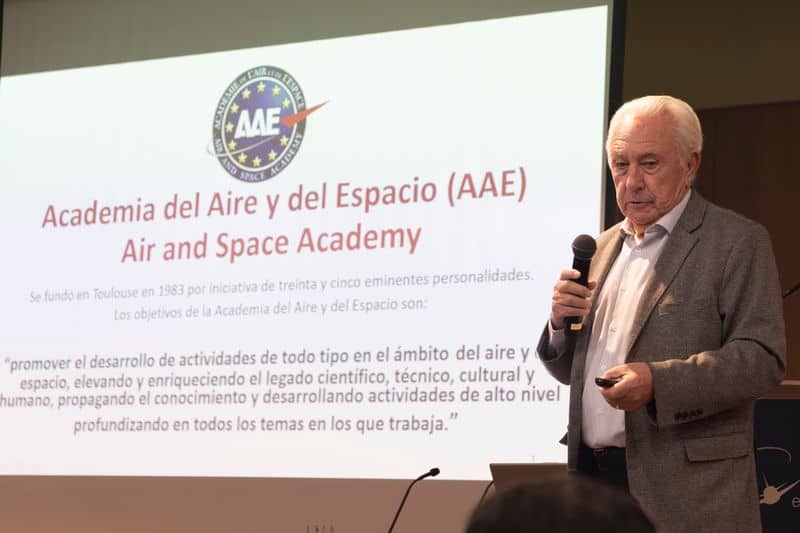
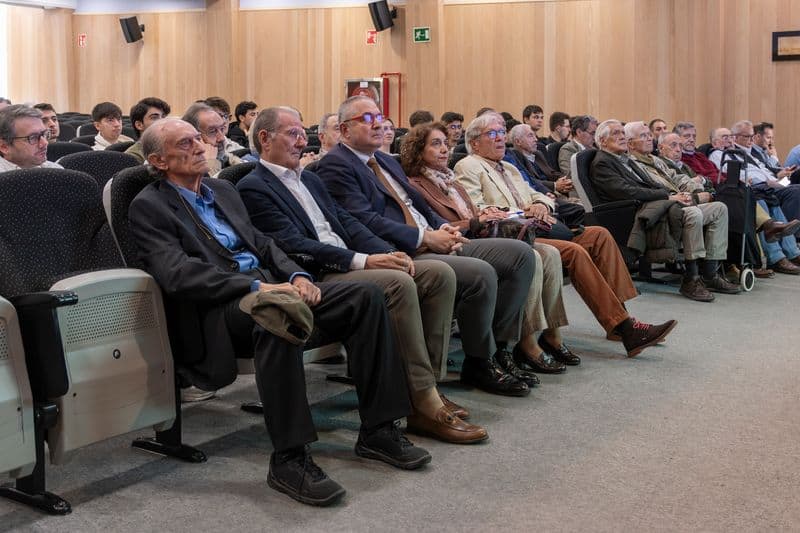
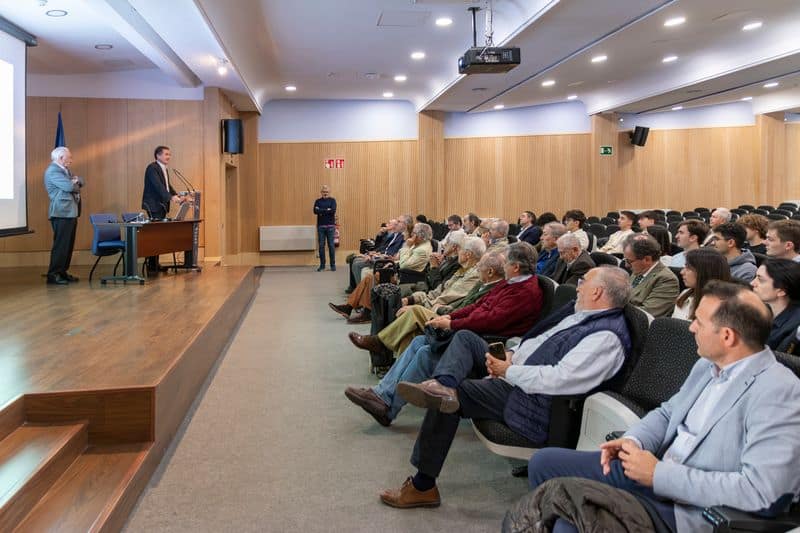
On October 23, the Air and Space Academy co-organized an event in Madrid, in partnership with the Spanish Space Agency (AEE), TEDAE, and the Colegio Oficial de Ingenieros Aeronáuticos de España (COIAE), a symposium dedicated to the future of European launch vehicles and the challenges of New Space.
Hosted by the École technique supérieure d’ingénierie aéronautique et spatiale (ETSIAE), this event brought together representatives from institutions, industry, academia, and experts from the space sector to address a key question: What must Europe do to ensure its autonomy in accessing space in the coming decades?
Major Challenges for European Space Autonomy
The discussions highlighted several strategic priorities for preserving Europe’s competitiveness and space sovereignty:
- ensure the long-term viability of the Ariane 6 and Vega-C launch vehicles beyond 2030;
- develop a new generation of launch vehicles capable of meeting market needs by 2035;
- adapt the governance and management of space programs to a profoundly transformed industrial environment;
- better coordinate European institutional demand in order to strengthen the competitiveness of the European space industry.
These reflections are based, in particular, on the conclusions of Report No. 56 from the Air and Space Academy, which sets forth seven recommendations aimed at strengthening Europe’s ability to remain a major player in the global space sector.
The Essential Role of Research and Education
On this occasion, Gustavo Alonso, director of ETSIAE, emphasized the importance of universities’ participation in major European research and innovation programs, particularly in strategic sectors such as aerospace.
This presentation underscored that the technological challenges facing Europe will require not only ambitious industrial investments but also a sustained commitment to academic research and the training of future generations of engineers.
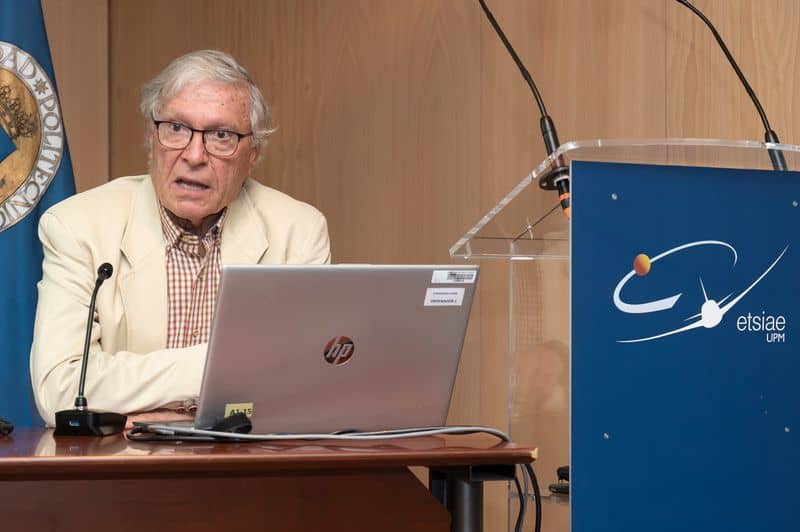
Antonio Funetes-Llorens
Antonio Funetes-Llorens
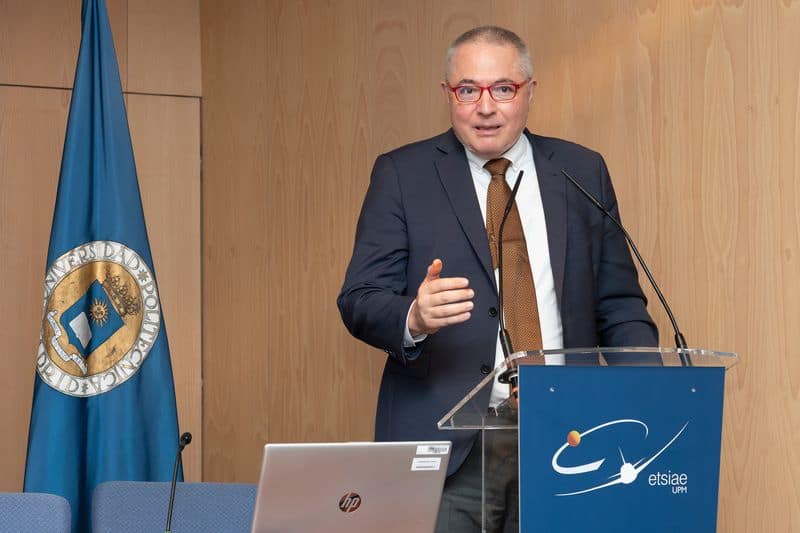
Director of the EEA
Directeur de l’AEE
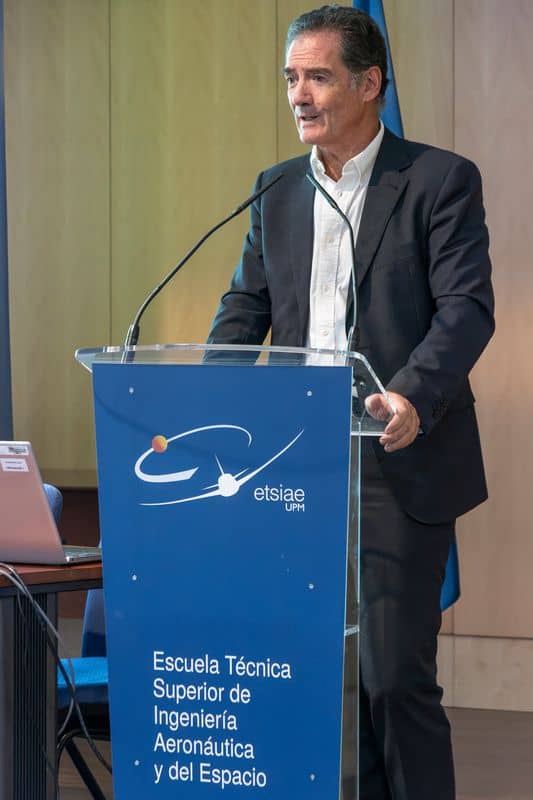
Director, ETSIAE
Directeur ETSIAE
Audience
Audience
Antonio Viñolo
Antonio Viñolo
Audience
Audience