• Travel through a black hole with Interstellar

    By Jean-Pierre Luminet, CNRS Emeritus Research Director, Laboratoire d'Astrophysique de Marseille, corresponding member of AAE A large part of the plot of the famous science-fiction film Interstellar (2014) features several aspects of Einstein's theory and its extensions: wormholes, black holes, distortions of space and time, string theory, unification of physics. In this lecture, which follows […]
  • European satellites for weather forecasting

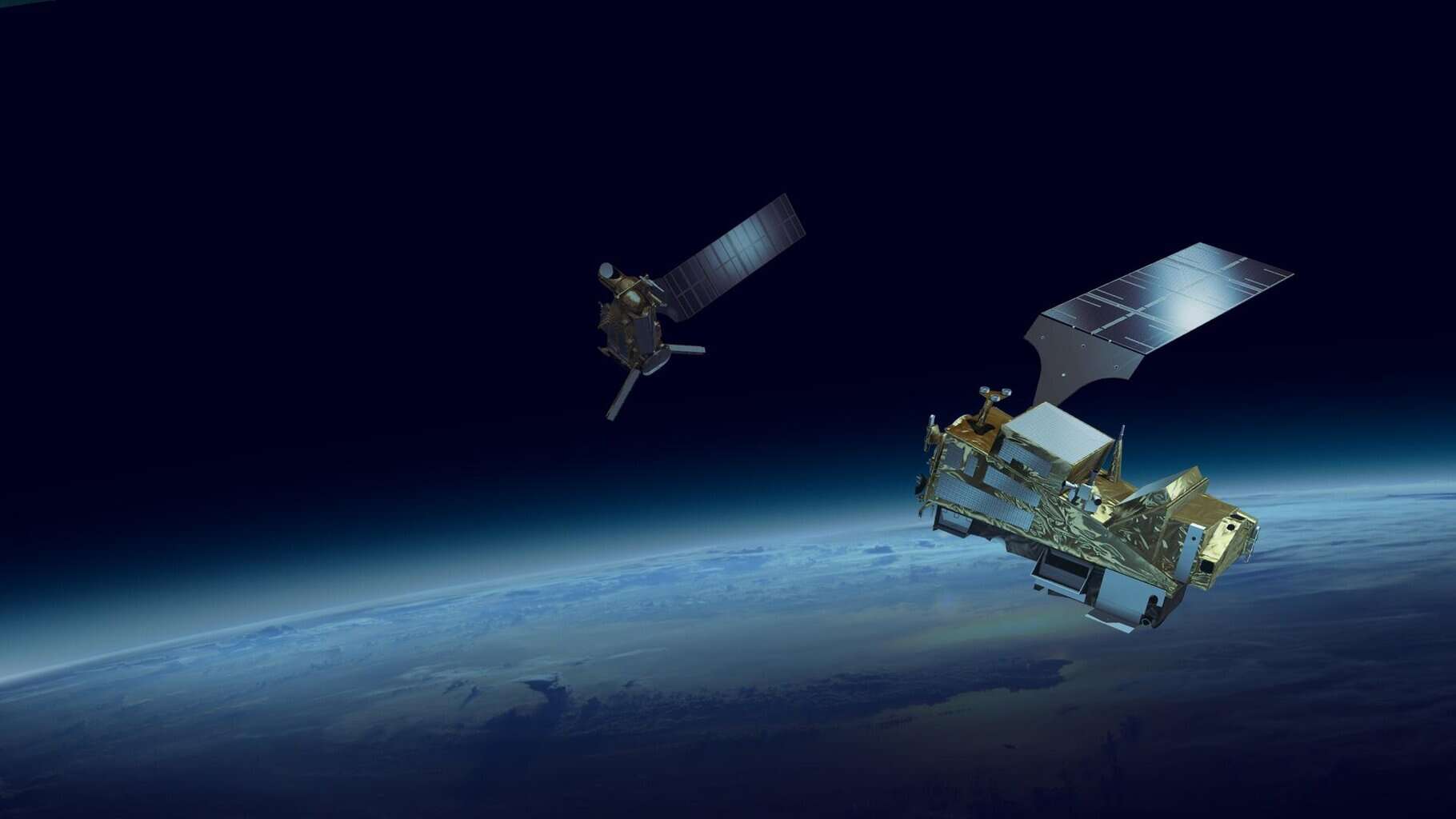
    By Alain Ratier, AAE member, former Director General of EUMETSAT The European meteorological ecosystem and the contribution of the MSG and EPS/Metop systems to forecasting will be presented, together with the observation capabilities of the new-generation MTG and EPS/Metop-SG systems currently being deployed, and the first examples of their contribution to different types of forecasting. […]

  • AI for Experts: From Tool to Trust

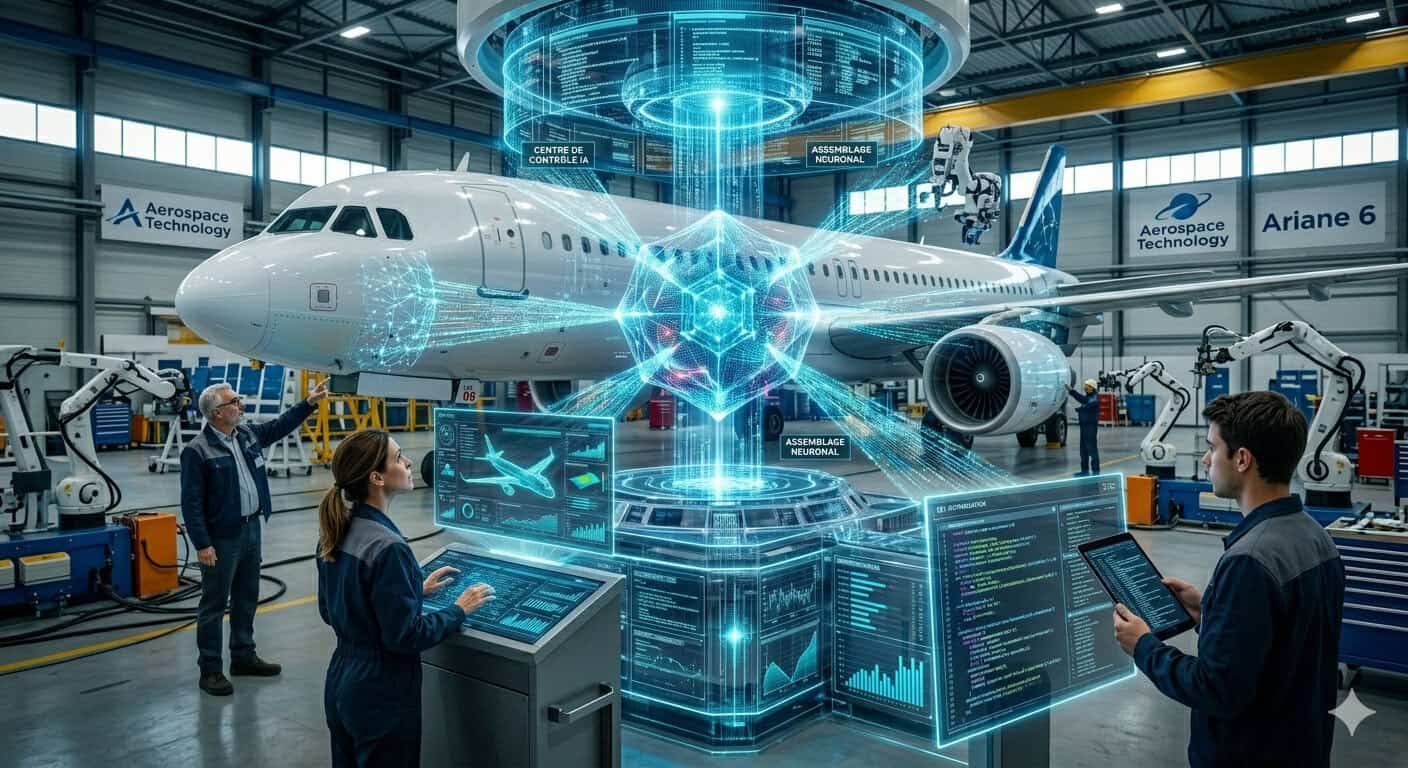
    Welcome aboard “Vol AAE 8.30,” the Academy’s new quarterly digital event(In french – AI subtitles available). This short, intensive, and fully online 90-minute session is designed to break down major technological issues with a pair of experts—without disrupting your schedule. Artificial Intelligence is no longer a distant promise: it is already integrated into our tools […]

  • Managing the impact of weather on air and space launch operations

    ByJacques Verrière, former Captain, Air France Flight Instructor, Member of the AAE Weather conditions have a considerable influence on flight operations and space launches. This presentation will show how, even in 2025, weather conditions are a major safety and cost factor for air transport and space launches. Secondly, it will explore the innovations already in […]

  • What’s the latest on life on Mars?

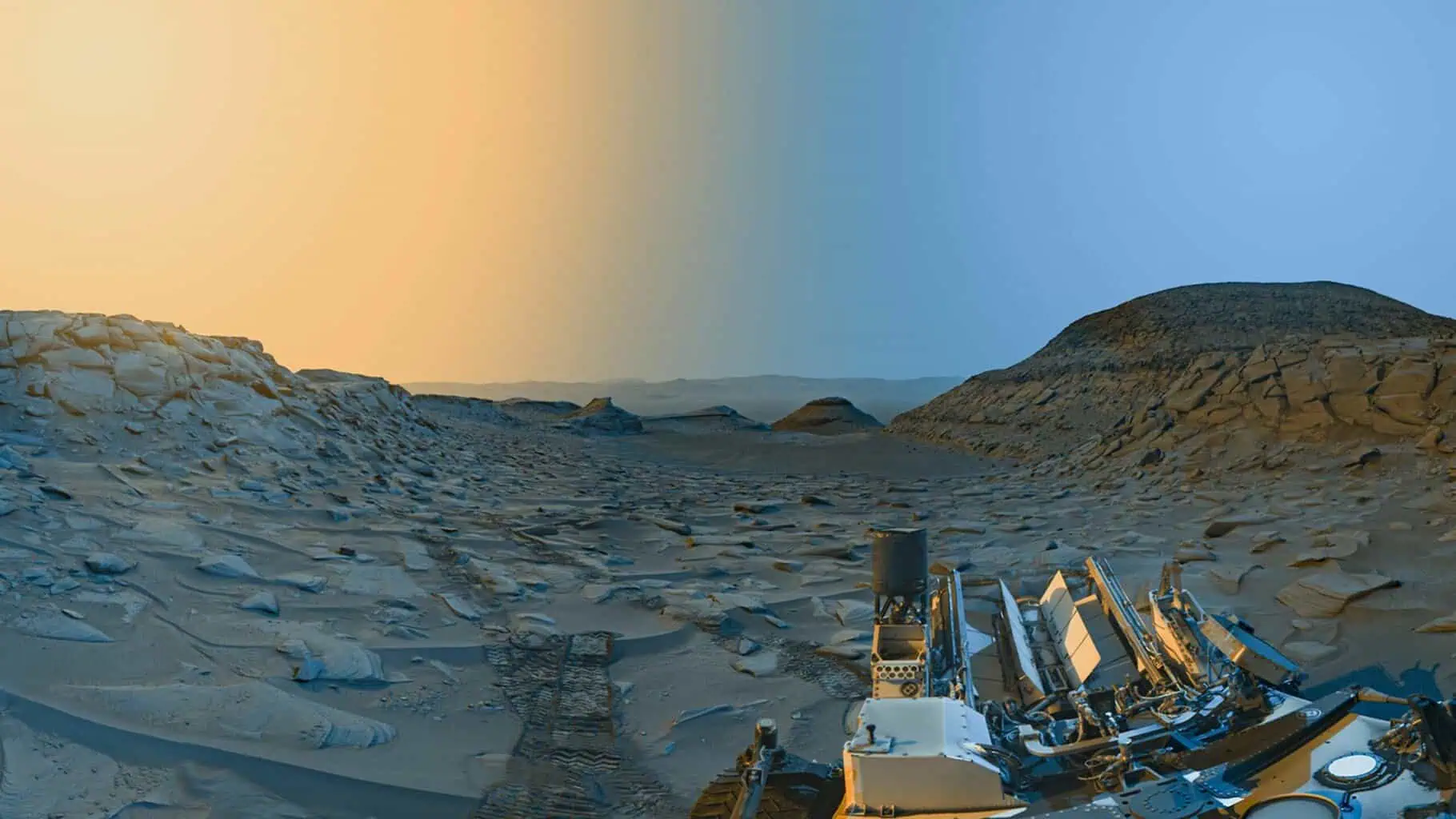
    By Sylvestre Maurice, astrophysicist-planetologist, director of IRAP, AAE correspondent We live in extraordinary times: some twenty robotic vehicles have explored Mars since the year 2000. A trophy of national supremacy, a field of technological experimentation for industrialists, a source of wonder for the people who follow the robot adventure with astonishing fervor, the Red Planet […]

  • The Space Sector: From National to International

    Welcome aboard the “Vol AAE 8.30” morning sessions, the Academy’s quarterly digital event. This short, intensive, and 100% online session lasts 1 hour and 30 minutes and is designed to break down major technological issues with a pair of experts—all without disrupting your schedule. Your Flight Captains The French Space Agency: Three Faces Marie-Anne CLAIR, […]

  • Together for a Safe Space Frontier – 14th IAASS Conference

    Introduction The International Association for the Advancement of Space Safety (IAASS) is a non-profit organization committed to fostering international cooperation and advancing scientific progress in the field of space systems safety. IAASS is a member of the International Astronautical Federation (IAF) and serves as a Permanent Observer at the United Nations Committee on the Peaceful […]

  • European Launch Vehicles and New Space

    Event (in Spanish) organized by the Escuela Técnica Superior de Ingeniería Aeronáutica y del Espacio (ETSIAE) and the Air and Space Academy (AAE). With support from AEE, TEDAE, and AIAE Presentation of Dossier 56, “Seven Recommendations to Secure the Future of European Launchers.” The ESA Ministerial Council, which met in Seville in November 2023, convened […]

  • Innovation in Aviation and Space towards sustainability today and tomorrow

    welcome note We are delighted to invite you to the 16th EASN International Conference, a milestone gathering centered on "Innovation in Aviation & Space towards sustainability today and tomorrow", proudly co-organized by the EASN Association and the Institut Supérieur de l'Aéronautique et de l'Espace (ISAE). This year’s edition brings us from 27 to 30 of October, 2026, to the dynamic […]

  • Giant telescopes and Adaptive Optics: a revolution in space observation

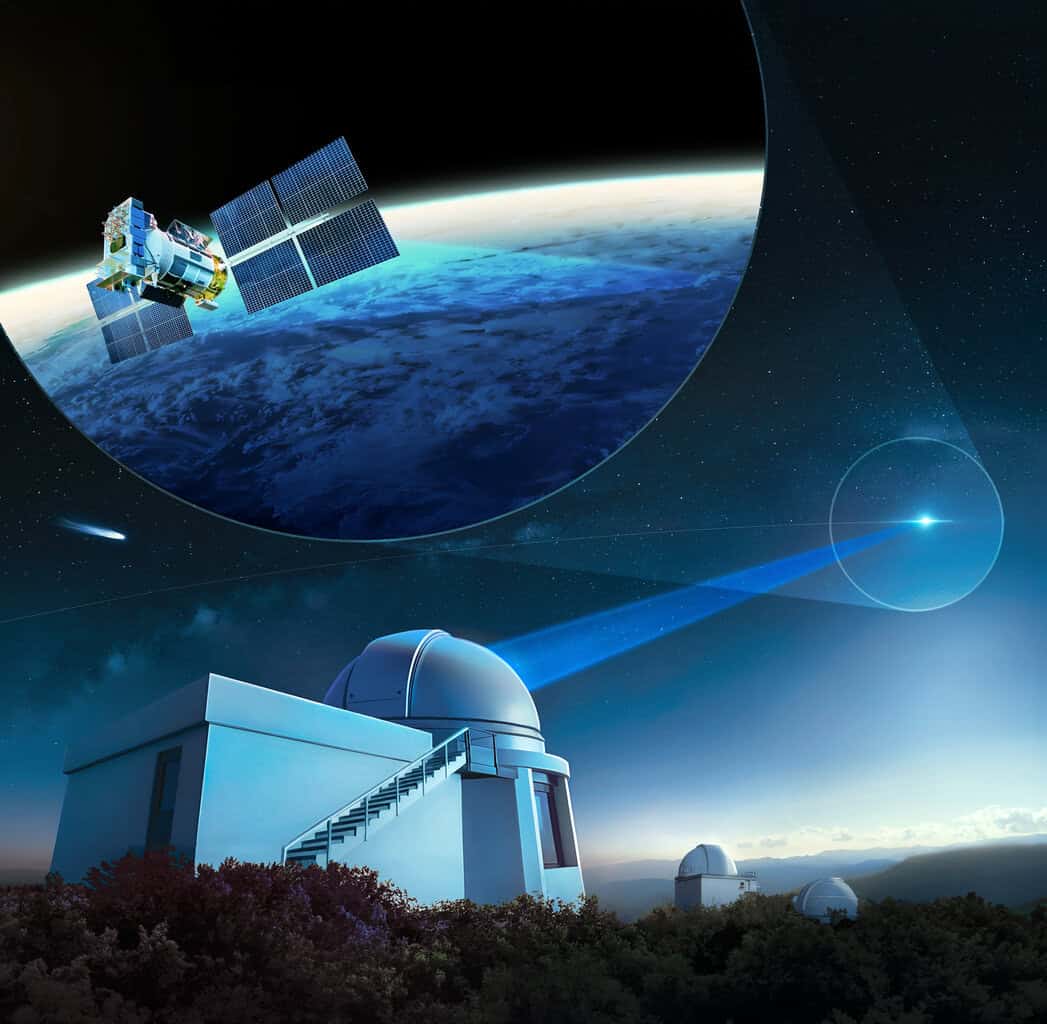
    By Thierry Fusco, Research Director, Scientific Assistant, Optics Department, ONERA Adaptive optics has revolutionized high-resolution imaging by compensating in real time for the adverse effects of atmospheric turbulence. Now a key component of giant telescopes, this multi-disciplinary technology enables us to explore the universe with unprecedented image quality, monitor our immediate surroundings and focus laser […]

  • 1945-1960: the renaissance of French military aviation

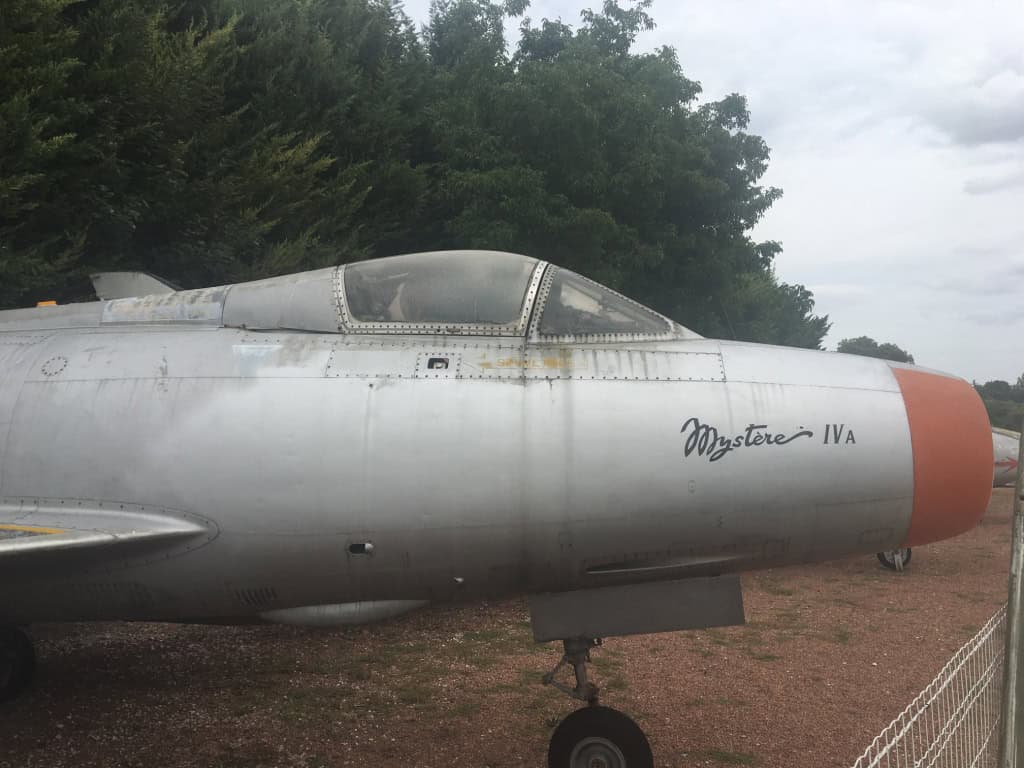
    By Jean-Marc Olivier, professor of contemporary history, co-founder and co-director of the magazine "Nacelles. Passé et présent de l'aéronautique et du spatial", AAE correspondent. By 1945, the French Air Force had virtually ceased to exist independently. The only national aircraft it could mobilize was the Dewoitine D.520, which had been completely overtaken by the first […]